

Monitoring dry AMD
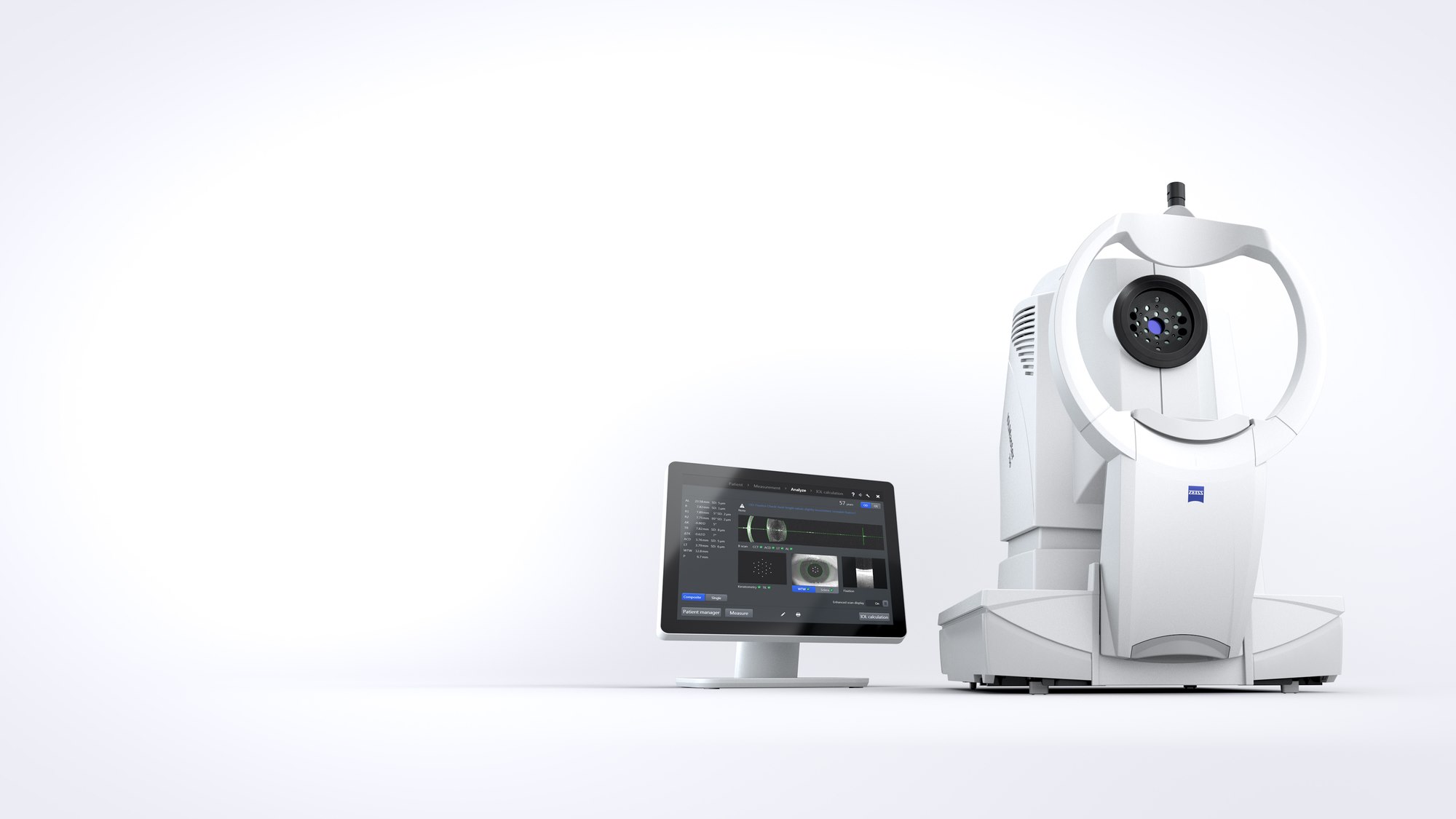
We use retinal examination and OCT scans to monitor the macula. We can discuss an Amsler grid, smoking cessation, nutrition and whether a supplement is appropriate for your stage of AMD.
OVERVIEW
Age-related macular degeneration (AMD) affects the macula, the small central part of the retina used for reading, recognising faces and seeing fine detail. Side vision usually remains, but central vision can become blurred, distorted or dark.
Dry AMD develops when the macula gradually wears down. Wet AMD occurs when abnormal blood vessels grow under the retina and leak fluid or blood. Wet AMD can change vision quickly, so new distortion or a sudden central blur needs urgent assessment. An Amsler grid can help you notice if straight lines look bent or an area is missing, but it does not replace an eye examination.
SYMPTOMS
TREATMENT
We use retinal examination and OCT scans to monitor the macula. We can discuss an Amsler grid, smoking cessation, nutrition and whether a supplement is appropriate for your stage of AMD.
Anti-VEGF medicine is used to reduce leaking from abnormal blood vessels. Treatment often involves a course of repeated injections and OCT scans, with the interval tailored to how your eye responds.
AMD may affect each eye differently. We monitor both eyes and explain which changes should prompt an urgent call. Procedures have possible risks, which will be discussed before treatment.