

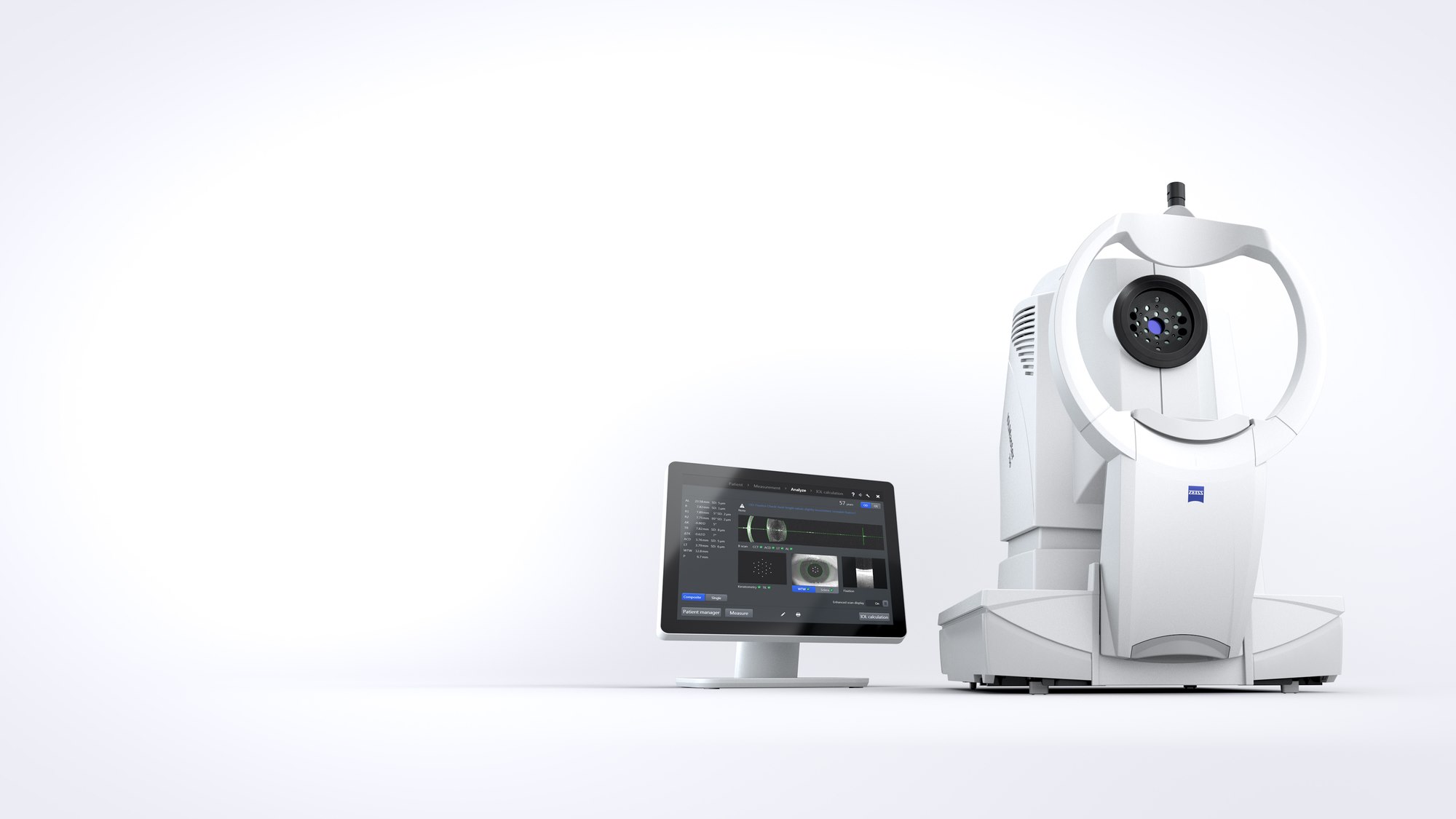
Comprehensive eye examination
We listen to your symptoms, review your health and medicines, and examine the front and back of the eyes. Tests are selected for the question rather than added routinely.
OVERVIEW
An ophthalmologist is a medically trained eye doctor who diagnoses and treats eye disease and performs eye surgery. A comprehensive assessment can be the right starting point when your symptoms do not fit neatly into one condition or another clinician has found something that needs further investigation.
We assess concerns including dry or irritated eyes, flashes and floaters, pterygiums, eyelid problems and unexplained changes in vision. We also provide second opinions and refractive laser assessment.
SYMPTOMS
TREATMENT
We listen to your symptoms, review your health and medicines, and examine the front and back of the eyes. Tests are selected for the question rather than added routinely.
Treatment may include changes to eyelid care, lubricating drops, managing inflammation and addressing contributing medicines or environments. The plan depends on the cause.
New flashes or floaters can come from normal age-related change, but they can also signal a retinal tear. A prompt dilated examination checks the retina and guides any treatment.
We assess growths on the eye surface and eyelid concerns, explain the diagnosis and discuss treatment or monitoring where appropriate.
We assess the eyes and discuss whether refractive laser treatment may be appropriate, including alternatives and the factors that affect suitability.